
Waking up to itchy, red patches on your arms or legs is more than just an annoyance; for millions of people, it is a daily battle against Atopic Dermatitis, a chronic inflammatory condition that disrupts sleep and social life. While the name sounds complex, the core issue is simple: your skin barrier is compromised, letting moisture escape and irritants in. Understanding this mechanism is the first step toward control. You don't need a medical degree to manage this, but you do need to know exactly what sets off your specific flares and how to use moisturizers effectively to keep them at bay.
Understanding the Skin Barrier Breakdown
To fix the problem, you have to understand why it happens. In healthy skin, cells are packed tightly together like bricks in a wall, with natural oils acting as the mortar. In Atopic Dermatitis, this structure is flawed. A significant number of patients carry mutations in the Filaggrin gene (FLG), which impairs the skin's ability to hold water. This leads to increased transepidermal water loss, where your skin dries out much faster than normal. When the surface becomes dry, it cracks microscopically. These tiny cracks allow allergens, bacteria, and heat to penetrate deeper, triggering the immune system to overreact. This cycle of dryness, irritation, and inflammation is what causes the intense itching and redness you experience.
Identifying Your Personal Flare Triggers
There is no single trigger for everyone, but environmental factors play a huge role. Cold, dry air is a major culprit; when humidity drops below 40%, flare risk increases significantly. Conversely, extreme heat can also cause problems. For many patients, temperatures above 27°C (80°F) lead to sweating, and the salt in sweat acts as a direct irritant to broken skin. Beyond temperature, everyday products can be hidden enemies. Sodium lauryl sulfate, a common detergent found in shampoos and body washes, can strip away essential lipids even at low concentrations. If you haven't already, start keeping a symptom diary. Note down your weather exposure, foods eaten, stress levels, and products used. Patterns will emerge within two weeks, helping you identify your personal "troublemakers."
The Role of Emollients in Treatment
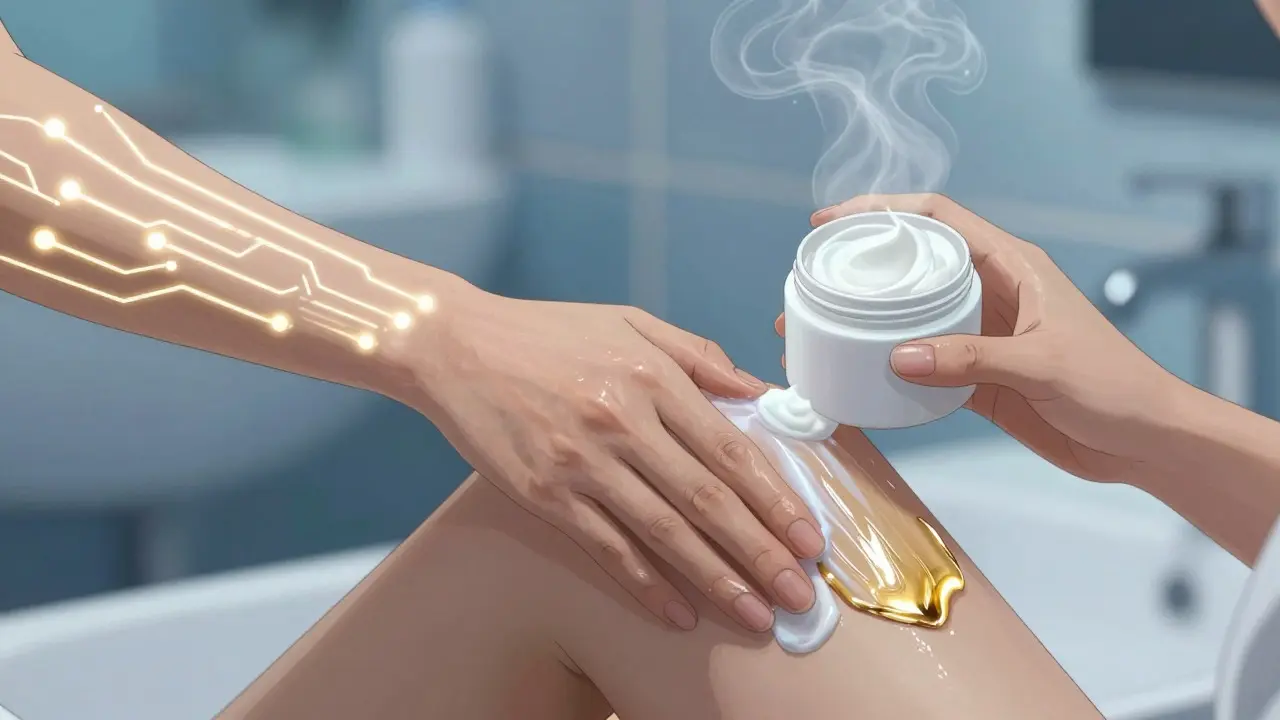
Emollient therapy is not just a cosmetic add-on; it is the cornerstone of managing Atopic Dermatitis. Think of emollients as the mortar for your skin bricks. They work by filling in the gaps between skin cells, sealing in moisture, and protecting against external irritants. Unlike topical steroids, which reduce inflammation, emollients restore the physical barrier. Research shows that consistent use of high-quality emollients can reduce water loss by up to 50%. The key is choosing the right type. Occlusive agents like petrolatum create a strong seal, ideal for very dry areas. Humectants like glycerin draw water into the skin, while ceramides help rebuild the lipid barrier itself. Most effective products combine these ingredients. Avoid anything with fragrance, as scents are a leading cause of contact dermatitis in sensitive skin.
| Ingredient Type | Primary Function | Best For | Key Examples |
|---|---|---|---|
| Occlusives | Seals moisture in, prevents water loss | Very dry, cracked skin; nighttime application | Petrolatum, Mineral Oil |
| Humectants | Draws water from environment into skin | Dry but not severely cracked skin; daytime | Glycerin, Hyaluronic Acid |
| Ceramides | Rebuilds lipid barrier structure | Maintenance and long-term barrier repair | Ceramide NP, Ceramide AP |
Mastering Application Techniques
Using the right product is only half the battle; how you apply it matters just as much. The most critical rule is timing. Dermatologists recommend applying emollients within three minutes of bathing. This is known as the "soak and seal" method. After a lukewarm bath, pat your skin gently-do not rub-and immediately apply the cream. This locks in the water absorbed during the bath. How much should you use? More than you think. Adults typically need 250 to 500 grams per week. That translates to roughly a quarter-cup of lotion per day. If you are using less, you are likely under-dosing. Apply in downward strokes, following the direction of hair growth, to avoid pulling on sensitive skin. Consistency is key; missing applications allows the barrier to break down again, restarting the itch-scratch cycle.

Common Pitfalls and How to Avoid Them
Many people give up on emollient therapy because they get it wrong. One common mistake is waiting until the skin feels tight before moisturizing. By then, the barrier is already damaged. Another pitfall is using too hot water in the shower, which strips natural oils and exacerbates dryness. Stick to lukewarm water for short durations. Also, beware of preservatives. Some patients react to methylisothiazolinone or parabens, which can cause new rashes. If your skin gets worse after starting a new product, check the ingredient list for these common irritants. Finally, don't ignore the cost factor. High-end brands aren't always better. Simple petroleum jelly remains one of the most effective and affordable options for severe dryness, often cited by patients as their go-to rescue treatment during bad flares.
When to See a Doctor
While emollients manage mild cases well, moderate to severe Atopic Dermatitis often requires additional intervention. If your flares are frequent, widespread, or disrupting your sleep, see a dermatologist. They may prescribe topical corticosteroids to calm acute inflammation, followed by emollients to maintain the barrier. For persistent cases, newer biologic therapies like dupilumab can dramatically reduce flare frequency. However, even with these advanced treatments, emollient therapy remains non-negotiable. It provides the foundation upon which other treatments work. Without a healthy barrier, medications cannot penetrate effectively, and irritants continue to invade. Treat your skin barrier as the front line of defense, and you will find that managing Atopic Dermatitis becomes less about fighting symptoms and more about maintaining balance.
How often should I apply emollients?
Aim for at least twice daily, ideally after every bath or shower. If your skin feels dry during the day, reapply as needed. The goal is to keep the skin consistently hydrated, so there is no upper limit if your skin tolerates it.
Is fragrance-free really necessary?
Yes. Fragrances are one of the top causes of contact dermatitis in people with Atopic Dermatitis. Even if you don't smell the scent, the chemicals can irritate the compromised skin barrier. Always look for products labeled 'fragrance-free' rather than 'unscented,' which may still contain masking agents.
Can I use regular baby oil for eczema?
Baby oil can be an occlusive, but it lacks the humectant and ceramide properties of dedicated emollients. It seals moisture in but doesn't actively draw water in or repair the barrier. It is better suited as a secondary layer over a proper moisturizer, especially at night.
What is the best time of day to apply moisturizer?
The absolute best time is immediately after bathing, while the skin is still slightly damp. This maximizes water retention. Morning and evening are standard times, but the post-bath window is critical for locking in hydration.
Do emollients replace steroid creams?
No, they complement each other. Steroids reduce active inflammation and itching, while emollients repair the barrier and prevent future flares. During a flare, you might use a steroid for a few days, then switch back to emollients alone for maintenance. Never stop emollients, even when using steroids.