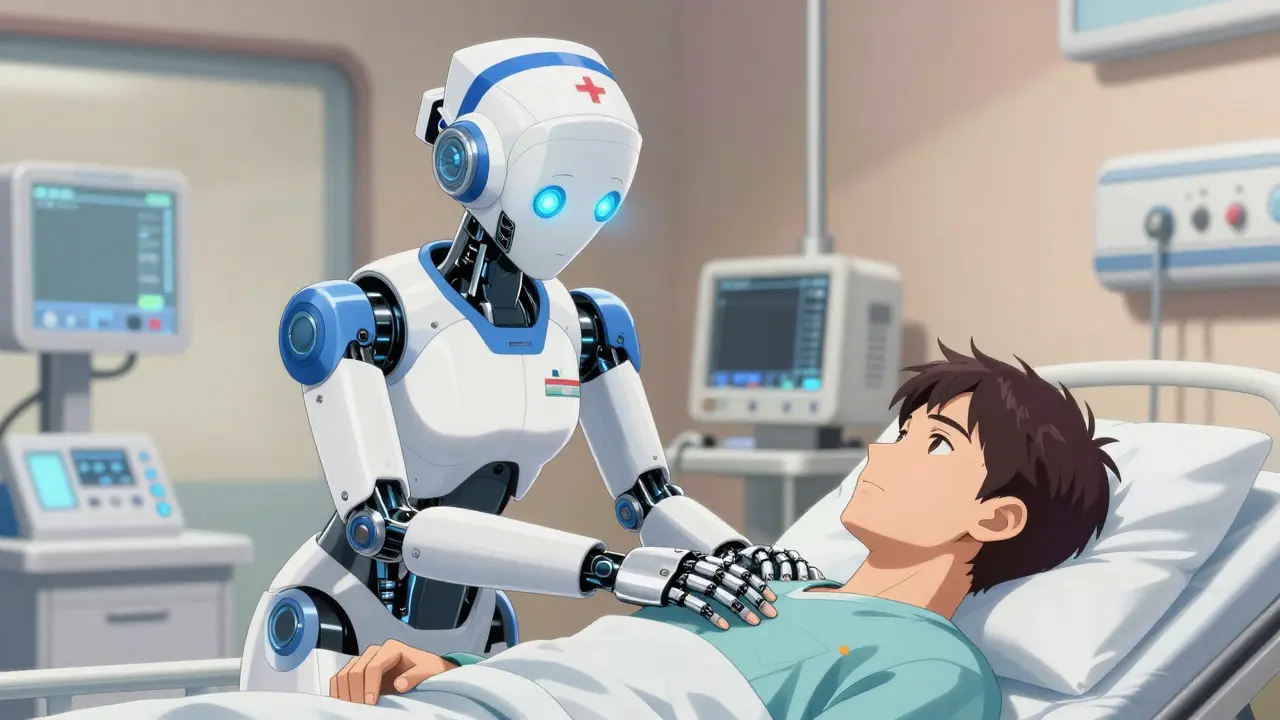
Imagine living with a constant, sharp ache that never lets you sleep, eat, or hold your grandchild without flinching. For millions of cancer patients, this isn't a hypothetical scenario-it's daily reality. Yet, despite the availability of effective treatments, many suffer needlessly because of misconceptions about palliative care. It is not just for the end of life. It is a specialized medical approach focused on relieving the symptoms and stress of a serious illness like cancer. When done right, it improves quality of life for both the patient and the family.
What Is Palliative Care in Cancer?
Palliative care is an interdisciplinary field of medicine dedicated to improving the quality of life of patients facing life-threatening illnesses. Unlike hospice care, which is reserved for those with less than six months to live, palliative care can begin at any stage of diagnosis-even alongside curative treatment. The World Health Organization (WHO) defined its core mission decades ago, but modern practice has evolved significantly. Today, it integrates pain control, psychological support, and spiritual care into one cohesive plan.
The goal is simple: reduce suffering. Studies show that when specialty palliative care teams join oncology teams within eight weeks of diagnosis, patients report a 20-30% improvement in quality of life metrics. In some cases, such as metastatic lung cancer, early integration has even been linked to a median survival benefit of 2.5 months. This isn't magic; it's better symptom management allowing patients to tolerate more aggressive cancer treatments.
The Foundation of Pain Control: The WHO Analgesic Ladder
Pain is the most common complaint among cancer patients, affecting up to 90% of those with advanced disease. To tackle this, healthcare providers rely on the WHO three-step analgesic ladder, a framework established in 1986 and updated in 2018. It provides a structured way to escalate medication based on pain intensity.
- Step 1 (Mild Pain): Non-opioid analgesics are used first. Acetaminophen (up to 4,000 mg/day) or NSAIDs like ibuprofen (400-800 mg three times daily) form the base. These drugs target inflammation and general discomfort.
- Step 2 (Moderate Pain): If mild pain persists, weak opioids are added. Codeine (30-60 mg every 4 hours) or tramadol are common choices. They bridge the gap between non-opioids and stronger medications.
- Step 3 (Severe Pain): Strong opioids become necessary. Morphine is often the first choice, starting at 5-15 mg orally every 4 hours. The key here is scheduled dosing-taking the drug around the clock rather than waiting for pain to spike.
This ladder isn't rigid. Doctors may skip steps if pain is severe from the start. The critical rule is titration: adjusting doses by 25-50% every 24-48 hours until pain is controlled. Reassessment must happen within 24 hours for severe pain to ensure safety and efficacy.
Beyond Pills: Managing Complex Cancer Pain
Cancer pain isn't always straightforward. Bone metastases cause deep, throbbing agony that pills alone might not touch. Here, the WHO guidelines recommend combining pharmacological approaches with radiotherapy. A single fraction of 8 Gy radiation or multiple fractions totaling 20-30 Gy can shrink tumors pressing on nerves or bones. Bisphosphonates like zoledronic acid (4 mg IV every 3-4 weeks) strengthen bone structure and reduce fracture risk.
Neuropathic pain-burning, shooting sensations caused by nerve damage-requires different tools. Anticonvulsants like gabapentin (100-1,200 mg three times daily) calm overactive nerves. Antidepressants such as duloxetine (30-60 mg daily) also help modulate pain signals in the brain. Corticosteroids like dexamethasone (4-16 mg daily) reduce swelling around tumors, providing rapid relief for bone pain.
| Pain Type | Primary Treatment | Adjuvant Options | Key Consideration |
|---|---|---|---|
| Noxious/Somatic | NSAIDs, Opioids | Acetaminophen | Monitor kidney function with long-term NSAID use |
| Visceral | Opioids | Antispasmodics | Often cramping or squeezing; requires frequent dose adjustments |
| Neuropathic | Gabapentin, Duloxetine | Topical lidocaine | Opioids are less effective; start low, go slow |
| Bone Metastasis | Radiation, Zoledronic Acid | Dexamethasone | Prevent pathological fractures early |

When Opioids Fail: Rotation and Side Effects
Not every patient responds well to their first opioid. Some experience unacceptable side effects like nausea, constipation, or confusion. Instead of pushing through, doctors should consider opioid rotation. Switching to an alternative like fentanyl or methadone can provide better relief with fewer side effects. Because of incomplete cross-tolerance, the new dose starts at 50-75% of the calculated equivalent dose. This cautious approach prevents overdose while finding the right balance.
Breakthrough pain-sudden flares despite regular medication-is another challenge. Patients receive rescue doses equal to 10-15% of their total daily dose. If breakthrough pain becomes frequent, it signals that the baseline regimen needs adjustment. Opioid-induced hyperalgesia, occurring in 15-20% of long-term users, makes patients more sensitive to pain. Recognizing this paradoxical effect is crucial; adding more opioids will only worsen it.
The Human Element: Assessment and Psychosocial Support
Meds matter, but so does measurement. The National Comprehensive Cancer Network (NCCN) mandates screening all cancer patients for pain using a 0-10 numerical rating scale. Zero means no pain; ten is the worst imaginable. But numbers aren't enough. Clinicians must ask about location, quality, timing, and what makes it better or worse. Tools like the Brief Pain Inventory capture how pain interferes with sleep, mood, and daily activities.
Pain doesn't exist in a vacuum. Anxiety, depression, and cultural beliefs shape how we perceive it. The NCCN guidelines emphasize evaluating psychosocial distress, family support, and spiritual needs. A 2017 study found that 40% of oncology nurses lacked current pain management certification, highlighting a gap in provider education. Meanwhile, 65% of patients fear addiction, leading them to underreport pain. Open conversations dispel myths: treating cancer pain appropriately rarely leads to dependency.

Breaking Barriers to Effective Care
Despite clear guidelines, barriers persist. Systemic issues include inadequate insurance coverage for non-pharmacological therapies like physical therapy or acupuncture. Regulatory restrictions on opioid prescribing sometimes conflict with cancer care needs, forcing clinicians to navigate red tape instead of focusing on comfort. Cultural stoicism affects 28% of Asian and Hispanic patients who underreport pain due to societal expectations.
Technology offers hope. Smartphone apps now allow real-time pain tracking, improving documentation accuracy by 22%. Genetic testing for CYP450 enzyme variants helps predict how individuals metabolize opioids, enabling personalized dosing. Artificial intelligence models are being developed to forecast pain trajectories, allowing proactive rather than reactive care.
Future Directions in Palliative Oncology
The landscape is shifting. The 2022 ASCO Guideline Update strengthened recommendations for early palliative care integration, citing robust evidence of improved outcomes. ESMO’s 203 update addresses unique toxicities from immunotherapy and targeted therapies, such as immune-related arthritis. Twelve novel non-opioid analgesics are currently in Phase II/III trials, targeting specific mechanisms like nerve compression and bone destruction.
As research advances, the focus remains on dignity. Palliative care ensures that fighting cancer doesn’t mean losing yourself in the process. By combining science with compassion, we can transform suffering into manageable discomfort-and perhaps even moments of joy.
Is palliative care only for dying patients?
No. Palliative care can start at any point during a cancer diagnosis, including alongside curative treatments like chemotherapy or surgery. It focuses on quality of life regardless of prognosis.
How do I know if my pain is being managed correctly?
Effective pain management allows you to perform daily activities, sleep, and interact with loved ones comfortably. If pain scores remain above 3-4 on a 0-10 scale despite medication, discuss adjustments with your doctor.
Are opioids addictive for cancer patients?
Physical dependence can occur, but true addiction is rare when opioids are used medically for cancer pain. Benefits outweigh risks, and doctors monitor usage closely to prevent misuse.
What should I do if I have breakthrough pain?
Use prescribed rescue doses immediately. If breakthrough episodes increase in frequency or severity, contact your healthcare team-they may need to adjust your baseline medication.
Can non-drug therapies help with cancer pain?
Yes. Radiation, bisphosphonates, physical therapy, acupuncture, and mindfulness practices complement medications. Integrating these approaches often reduces reliance on high-dose opioids.