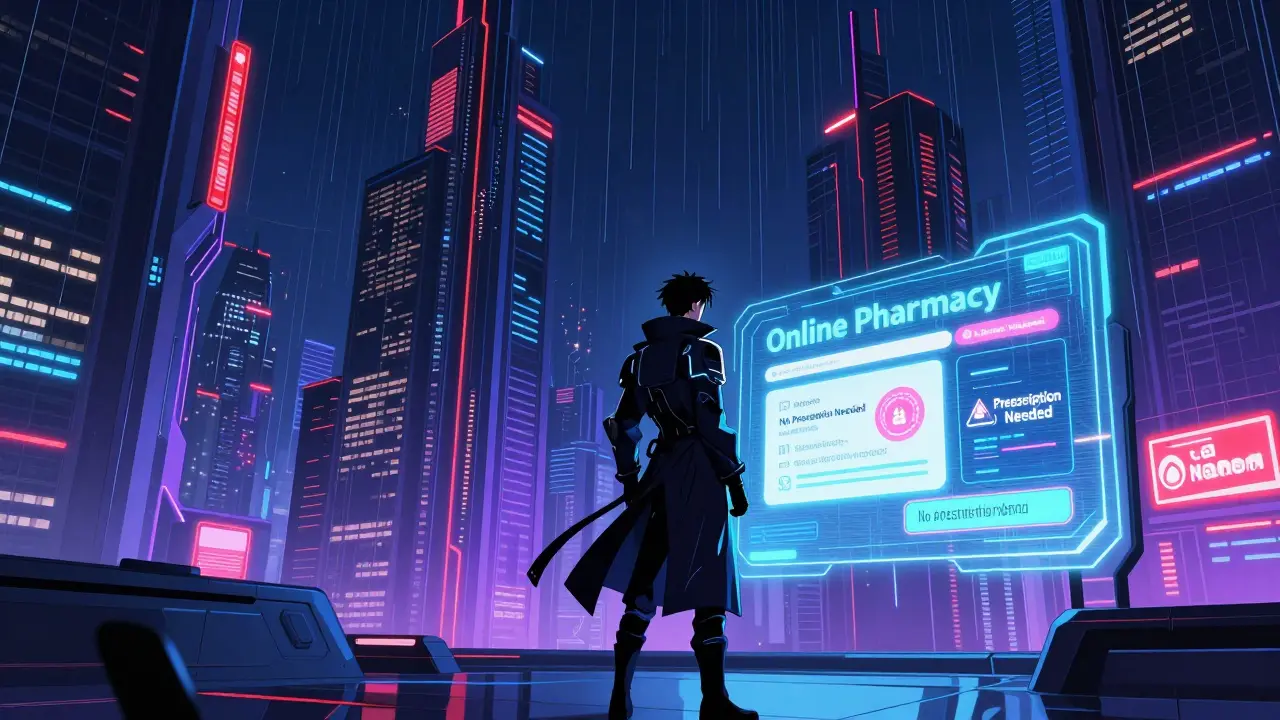
You click "Buy Now" on a website that looks just like your local pharmacy. The price is half of what you pay at the counter. No prescription required. But when the package arrives, the pills look slightly off-maybe the color is too bright, or the markings are faint. You take one, and suddenly, everything goes wrong. This isn't a hypothetical scenario. It’s happening to thousands of people every day.
The rise of online pharmacies has made it easier than ever to get medication without leaving home. But with convenience comes a dark side: counterfeit medications sold through unlicensed sources. These aren’t just ineffective placebos. They’re dangerous, potentially lethal products crafted by criminal networks operating across 136 countries.
What Are Counterfeit Medications?
Counterfeit medications are fake versions of real drugs. They may contain no active ingredient, the wrong ingredient, or a toxic substance disguised as medicine. According to the World Health Organization (WHO), at least 1 in 10 medicines in low- and middle-income countries are substandard or falsified. In high-income countries, the threat is growing fast due to online sales.
These fakes often mimic popular brand-name drugs like Oxycodone, Adderall, Xanax, and even life-saving treatments for cancer and diabetes. Criminals target high-demand medications because they know people will buy them quickly-especially if they’re cheaper or don’t require a prescription.
How Big Is the Problem?
In 2024 alone, global law enforcement uncovered 6,424 incidents of pharmaceutical counterfeiting, illegal diversion, and theft, according to the Pharmaceutical Security Institute (PSI). That includes over 2,428 distinct medicines spanning all therapeutic areas-from painkillers to heart meds to biologics.
Criminal organizations specifically targeted 638 products across 16 therapeutic areas, including oncology and biologics. Law enforcement arrested 3,658 people for pharmaceutical-related crimes that year.
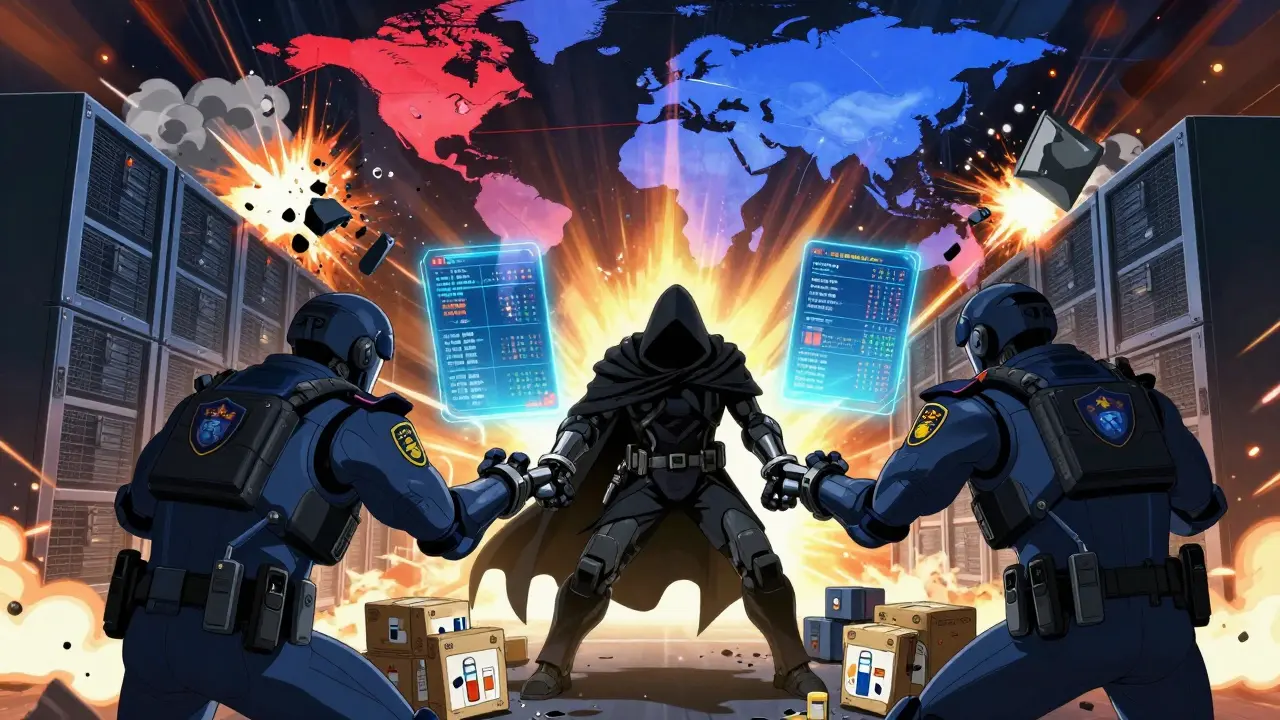
Then came Interpol’s Operation Pangea XVI in 2025-the largest coordinated action against online drug crime to date. Police, customs, and health regulators from 90 countries joined forces. The result? 769 arrests, 123 criminal groups dismantled, 50.4 million doses of unapproved and counterfeit medicines seized, and approximately 13,000 websites, social media pages, channels, and posts shut down.
The value of those seized goods? Around $65 million USD.
Why Do People Buy From Unlicensed Sources?
It’s not always about cutting corners. Many buyers turn to unlicensed online pharmacies because:
- Cost savings: Legitimate prescriptions can be expensive, especially without insurance.
- Convenience: No need to visit a clinic or wait for a refill.
- Lack of access: Some regions have limited availability of certain medications.
- Misinformation: Social media influencers promote off-label uses of drugs like semaglutide for weight loss, creating demand among uninformed users.
But here’s the truth: saving money now could cost you your life later.

The Real Risks of Fake Drugs
Counterfeit meds aren’t just less effective-they’re actively harmful. Here’s what experts say:
“Fake and unapproved medications are a serious risk to public health. They can include dangerous or illegal ingredients potentially resulting in severe illness, or even death.” - David Caunter, Director pro tempore of Organized and Emerging Crime at INTERPOL
The U.S. Food and Drug Administration (FDA) warns that drugs bypassing regulatory safeguards may be substandard, contaminated, ineffective, or even dangerous. And yet, nearly 95% of websites offering prescription-only drugs online operate illegally, according to the National Association of Boards of Pharmacy.
Real Stories, Real Consequences
Let’s talk about real cases-not statistics.
In September 2024, during Operation Press Your Luck, a woman in the U.S. ordered what she thought was oxycodone from an online pharmacy. Instead, she received a pill laced with fentanyl. Days later, she died from acute fentanyl poisoning.
This wasn’t an isolated incident. A survey cited in the USTR 2024 Review found a 7% increase in consumers reporting first-hand exposure to substandard or harmful medication from illicit online pharmacies compared to 2021.
On Reddit forums like r/Pharmacy and r/health, users share stories of receiving pills that dissolved instantly in water (indicating lack of proper binding agents), had inconsistent coloring, or didn’t work at all. On Trustpilot, victims report financial losses ranging from $50 to $500 per transaction-and many describe feeling betrayed after falling for slick-looking sites that promised legitimacy.
Who’s Behind This?
Behind every fake pill is a sophisticated criminal network. These operations use professional web design, U.S.-based domain names, and customer service chatbots to appear legitimate. Yet most are run from countries like India and the Dominican Republic, as identified by the DEA.
According to OECD data, while China remains the dominant source of counterfeit goods (45% of seizures in 2021), other regions-including Asia, the Middle East, and Latin America-are increasingly involved. Counterfeiters are also shifting tactics: 65% of seizures involve small parcels and mail, making detection harder.
They’re even using “localisation” strategies-shipping unassembled parts to assemble fake products closer to end markets. Think of it like IKEA furniture… except instead of bookshelves, you’re getting deadly pills.
How to Spot a Legit Online Pharmacy
If you must order medication online, follow these steps to stay safe:
- Check for licensing: Look for verification from official bodies like the National Association of Boards of Pharmacy (NABP) or PharmacyChecker.com.
- Avoid no-prescription offers: If a site sells controlled substances without requiring a valid prescription, walk away.
- Look for physical addresses: Reputable pharmacies list their location and contact info clearly.
- Beware of deals too good to be true: Prices significantly lower than retail are red flags.
- Use secure payment methods: Credit cards offer fraud protection; avoid wire transfers or crypto.
Also, check if the site displays seals from trusted organizations like VIPPS (Verified Internet Pharmacy Practice Sites). Be wary of fake badges copied from legitimate ones.
What Can You Do If You’ve Already Bought Something Suspicious?
If you suspect your medication might be counterfeit:
- Stop taking it immediately.
- Contact your doctor or pharmacist for guidance.
- Report the purchase to your national regulatory authority (e.g., FDA in the U.S.).
- Save evidence: Keep packaging, receipts, screenshots, and any communication with the seller.
Your report could help prevent someone else from getting hurt-or worse.
The Future of Online Drug Safety
Law enforcement is stepping up. With initiatives like Interpol’s Operation Pangea and increased cooperation between agencies worldwide, there’s hope. But criminals adapt faster than regulations sometimes allow.
As demand grows for medications like semaglutide (used off-label for weight loss), expect more fakes flooding the market via social media promotions and influencer endorsements. Experts warn that without stronger international coordination, the problem will only grow.
The WHO emphasizes the need for robust legal frameworks, regional and international cooperation, heightened public awareness, and stronger enforcement measures. Until then, vigilance is our best defense.
Are all online pharmacies unsafe?
No-but many are. Only trust pharmacies verified by recognized authorities like NABP or PharmacyChecker. Always ask for proof of licensing before purchasing.
Can I tell if a pill is fake just by looking at it?
Sometimes. Watch for differences in color, shape, size, or imprint compared to your previous prescription. Also note unusual smells or textures. When in doubt, consult a pharmacist.
Why do counterfeiters target specific drugs?
High-demand drugs like Adderall, Xanax, and semaglutide attract buyers willing to pay premium prices. Criminals exploit this by selling fakes that promise quick results but deliver danger instead.
Is buying generic medication online risky?
Not necessarily-if sourced from licensed providers. Generics approved by regulatory bodies meet strict quality standards. Risk arises when generics come from unverified sellers.
What should I do if I feel sick after taking an online medication?
Seek medical attention immediately. Tell healthcare providers where and how you obtained the medication. Report the issue to relevant authorities so others can be protected.