
It’s easy to think that if something is natural, it’s safe-especially when it comes to vitamins, herbs, or even your morning grapefruit. But here’s the truth: drug interactions are one of the most common-and preventable-causes of hospital visits. You might be taking your blood pressure pill, a daily multivitamin, and eating a salad with spinach, not realizing that together, they could be putting your life at risk.
Why Drug Interactions Happen
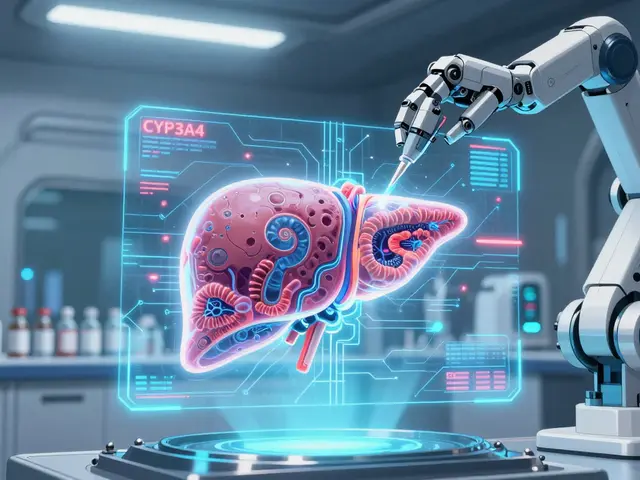
Drug interactions occur when something you eat, drink, or take as a supplement changes how your medication works. This isn’t just about pills clashing with each other. It’s about grapefruit juice making your statin too strong, garlic pills thinning your blood too much, or St. John’s wort turning your antidepressant useless. These aren’t rare cases. According to the Journal of the American Medical Association, drug interactions contribute to 3-5% of all hospital admissions in the U.S. That’s tens of thousands of people every year-many of them older adults managing multiple conditions. There are two main ways this happens. One is pharmacodynamic: two substances work on the same part of your body, either doubling up or canceling each other out. For example, hawthorn (a popular heart supplement) and digoxin (a heart medication) both make your heart beat stronger. Together, they can push your heart into dangerous territory. The other way is pharmacokinetic: one thing changes how your body absorbs, breaks down, or gets rid of the drug. The liver is the main player here, using enzymes-especially the CYP3A4 system-to process most medications. When something like St. John’s wort kicks this system into overdrive, your body clears the drug too fast. If it slows the system down, the drug builds up to toxic levels.Grapefruit: The Silent Medication Saboteur
Grapefruit juice is the most well-known food offender. It’s not just grapefruit-it’s also pomelos and Seville oranges. These fruits contain chemicals called furanocoumarins that permanently disable the CYP3A4 enzyme in your gut. That means your body can’t break down certain drugs properly. Take simvastatin, a common cholesterol-lowering statin. Normally, your body breaks down about 90% of it before it enters your bloodstream. But with grapefruit juice, that number drops to almost zero. A 2004 study found that just one glass of grapefruit juice can increase simvastatin levels by up to 15 times. That’s not a slight increase-it’s enough to trigger rhabdomyolysis, a condition where muscle tissue breaks down and can cause kidney failure. The risk jumps from 0.15 cases per 100,000 people a year to 1.57 when grapefruit is involved. Other drugs affected include some blood pressure meds, anti-anxiety pills like buspirone, and even some cancer drugs. And here’s the kicker: the effect lasts more than 24 hours. So even if you drink grapefruit juice at breakfast and take your pill at night, you’re still at risk.Leafy Greens and Blood Thinners: A Dangerous Balance
If you’re on warfarin (Coumadin), your doctor likely told you to watch your vitamin K intake. But many people don’t realize how easy it is to accidentally mess this up. Vitamin K helps your blood clot. Warfarin works by blocking it. So if you suddenly eat a big bowl of cooked spinach (which has about 830mcg of vitamin K), your body gets a flood of clotting factors. Your INR-a measure of how long your blood takes to clot-can drop from a safe 2.5 to below 1.5 in under 24 hours. That means you’re no longer protected from clots. A 2018 study showed this drop can increase your risk of stroke or heart attack. It’s not just spinach. Kale, collards, broccoli, and even green tea are high in vitamin K. The key isn’t to avoid them-it’s to keep your intake consistent. The National Academy of Medicine recommends 90mcg per day for women and 120mcg for men. If you normally eat a small salad every day, keep doing that. Don’t suddenly switch to a giant kale smoothie every morning.
Supplements That Can Kill: St. John’s Wort, Ginkgo, and Garlic
Dietary supplements are not regulated like drugs. That means companies don’t have to prove they’re safe before selling them. And they rarely warn you about interactions. St. John’s wort is one of the most dangerous. It speeds up the liver’s CYP3A4 enzyme so aggressively that it can cut the levels of critical drugs in half-or worse. Studies show it reduces cyclosporine (used after organ transplants) by 50-70%, which can lead to organ rejection. It lowers the effectiveness of oral contraceptives by up to 70%, leading to unplanned pregnancies. And with SSRIs like sertraline, it can trigger serotonin syndrome-a life-threatening condition with fever, confusion, seizures, and muscle rigidity. Ginkgo biloba is marketed for memory and circulation. But it also thins the blood by blocking platelet-activating factor. When taken with warfarin, aspirin, or even ibuprofen, it can double your bleeding risk. Studies show it can increase bleeding time by 30-50%. There are documented cases of brain bleeds in elderly people who took ginkgo with a daily aspirin. Garlic supplements have the same effect. A 2001 study found 32 cases of dangerous bleeding when garlic was combined with blood thinners. One patient needed emergency surgery after a nosebleed wouldn’t stop. Another had a brain hemorrhage after starting garlic pills while on warfarin. And don’t forget red yeast rice. It’s sold as a “natural” cholesterol reducer-but it contains monacolin K, which is chemically identical to lovastatin. If you’re already taking a statin, adding red yeast rice can push your muscle damage risk up by 2.3 times.What You Can Do to Stay Safe
The good news? Almost all of these interactions are preventable. Make a complete list of everything you take. Not just prescriptions. Include over-the-counter meds like ibuprofen or antacids, and every supplement-even the ones you only take “once in a while.” Write down the name, dose, and why you take it. Update this list every time you see a doctor or pharmacist. Talk to your pharmacist. They’re the drug experts. Most people think pharmacists just hand out pills. But they’re trained to catch interactions before they happen. A 2022 study showed pharmacist-led reviews reduce adverse events by 22%. Ask them to check your list every time you pick up a new prescription. Use free tools. The NIH’s LiverTox database and MedlinePlus’s drug interaction checker are free, reliable, and updated regularly. Type in your medication and supplement-no sign-up needed. If you’re on warfarin, check your vitamin K intake with the FDA’s guidelines. Don’t start supplements without asking. Just because your friend swears by turmeric for inflammation doesn’t mean it’s safe for you. If you’re on any prescription drug, assume it’s risky until proven otherwise.
Why Doctors Don’t Always Ask
You might wonder why your doctor didn’t warn you. The answer is simple: they don’t know. A 2022 editorial in JAMA Internal Medicine found that 70% of patients don’t tell their doctors they’re taking supplements. Why? Because they assume it’s harmless. Or because their doctor never asked. Doctors are busy. They have 15 minutes to cover high blood pressure, diabetes, joint pain, and a new rash. They’re not trained to memorize 1,200+ supplement interactions. That’s why the burden falls on you. The American Pharmacists Association says pharmacists should ask about supplements at every visit. If yours doesn’t, ask them. Say: “I take turmeric and fish oil. Are those safe with my blood thinner?”The Bigger Picture
This isn’t just about personal safety. Drug interactions cost the U.S. healthcare system $177 billion a year in preventable hospital stays, ER visits, and lost work. The FDA is finally starting to act-requiring new drugs to be tested for interactions with common supplements. But until then, you’re your own best defense. The data is clear: if you take medication, you’re at risk. But you’re not powerless. You don’t need to stop your supplements. You don’t need to give up your grapefruit. You just need to know what’s safe and what’s not. Start today. Write down your list. Talk to your pharmacist. Check one interaction on MedlinePlus. That’s all it takes to avoid a hospital visit that could have been prevented.Can I still drink grapefruit juice if I take medication?
Only if your medication isn’t affected. Grapefruit juice interacts with over 85 drugs, including statins, blood pressure meds, and some anti-anxiety pills. If you’re unsure, check with your pharmacist or use the MedlinePlus interaction checker. For safety, it’s best to avoid grapefruit entirely if you take any prescription drugs unless you’ve confirmed it’s safe.
Are herbal supplements safer than prescription drugs?
No. Just because something is labeled “natural” doesn’t mean it’s safe. St. John’s wort, ginkgo, and garlic supplements have caused serious bleeding, organ rejection, and serotonin syndrome. Herbal products are not regulated like drugs, so their strength, purity, and interactions aren’t consistently tested. Many people assume they’re harmless-until they end up in the hospital.
I take warfarin. Should I stop eating spinach and kale?
No. You don’t need to eliminate vitamin K-rich foods. Instead, keep your intake consistent. If you usually eat a small portion of spinach twice a week, keep doing that. Don’t suddenly switch to large kale salads every day. The goal is stability-not avoidance. The FDA recommends 90mcg of vitamin K daily for women and 120mcg for men. Your doctor can adjust your warfarin dose based on your diet.
Can I take St. John’s wort with antidepressants?
Absolutely not. St. John’s wort can trigger serotonin syndrome when combined with SSRIs like sertraline or fluoxetine. Symptoms include high fever, confusion, rapid heartbeat, and muscle rigidity. This is a medical emergency. Even if you feel fine, the risk is real and well-documented. Never combine the two without explicit approval from your doctor-and even then, it’s rarely advised.
How do I know if a supplement is interacting with my medication?
Watch for changes in how you feel. If your blood pressure suddenly drops, your cholesterol spikes, you start bleeding easily, or you feel unusually anxious or dizzy after starting a new supplement, it could be an interaction. The best way to know for sure is to check your list against a trusted tool like MedlinePlus or ask your pharmacist. Don’t wait for symptoms-prevention is easier than treatment.
Do over-the-counter painkillers interact with supplements?
Yes. Common OTC pain relievers like ibuprofen and naproxen can increase bleeding risk when taken with ginkgo, garlic, or fish oil. They can also stress the kidneys, especially when combined with certain blood pressure meds. Even acetaminophen can be risky if taken with alcohol or liver-affecting herbs like kava. Always check interactions before taking any new OTC drug, even if it seems harmless.
Is it safe to take supplements if I’m healthy and don’t have chronic conditions?
Not necessarily. Even if you’re healthy, you might be taking medications you don’t think of as “serious”-like birth control pills, antibiotics, or antihistamines. St. John’s wort can make birth control fail. Echinacea can interfere with antibiotics. And melatonin can worsen blood pressure issues. If you’re taking any drug-prescription or not-assume a supplement could interact with it until proven otherwise.



Amy Le
January 6, 2026 AT 20:35So let me get this straight-we’re being told to avoid grapefruit juice because it can kill us, but we’re supposed to trust Big Pharma’s pills that have 17 documented side effects? 🤡 Natural doesn’t mean safe? Okay, then why is aspirin still on the shelf? 🤔
Pavan Vora
January 8, 2026 AT 18:04you know... in india, we use turmeric with milk for everything... cough, cold, even for sleep... but i never thought about interactions... i take blood pressure medicine too... now i am scared... 😅
Indra Triawan
January 9, 2026 AT 01:27It’s like our bodies are these fragile, sacred temples... and we just throw in random potions like we’re playing alchemy... and then we cry when it blows up... why do we treat our health like a DIY project? 😭
Susan Arlene
January 9, 2026 AT 12:05i take fish oil and ibuprofen and just assumed it was fine... now im gonna check it... thanks for the wake up call... 🙃
Ashley S
January 10, 2026 AT 10:00People are idiots. You don’t take random pills from a health food store and expect your body to be fine. If you’re on meds, just stop being a guinea pig. 🙄
Leonard Shit
January 10, 2026 AT 15:25my grandma took garlic pills for 'heart health' and ended up in the er with a nosebleed that wouldn't stop... she didn't even know it could interact with her blood thinner... no one asked her about supplements... not even the pharmacist... sad but true.
Harshit Kansal
January 12, 2026 AT 08:46in my village we use neem leaves for diabetes and no one ever got sick... but maybe that's because we don't mix it with pills... point is, tradition and caution go together
Brian Anaz
January 14, 2026 AT 06:30the FDA should ban supplements. They’re not medicine. They’re snake oil with a fancy label. People die because they think ‘natural’ = safe. It’s not. It’s just unregulated. Fix the system.
Venkataramanan Viswanathan
January 14, 2026 AT 09:29As a pharmacist in Mumbai, I have seen patients consume St. John’s wort with SSRIs and present with serotonin syndrome. They never disclose supplements. The culture of ‘it’s just herbs’ is dangerous. We need mandatory counseling at pharmacy counters.
Vinayak Naik
January 15, 2026 AT 01:22man i used to take red yeast rice cause it was 'natural statin'... then i got muscle pain so bad i couldnt walk... turned out i was on simvastatin already... doubled the dose without knowing... now i only take what my doc prescribes... lesson learned the hard way
Kiran Plaha
January 15, 2026 AT 21:40what if i just eat one grapefruit once a week? is that okay? i dont wanna give it up... but i also dont wanna end up in the hospital...
Matt Beck
January 17, 2026 AT 20:29we live in a world where you can buy a pill that makes your brain glow... but if you eat an orange, you’re a danger to society? 🍊⚡ we need better education... not fear... and definitely not shame.