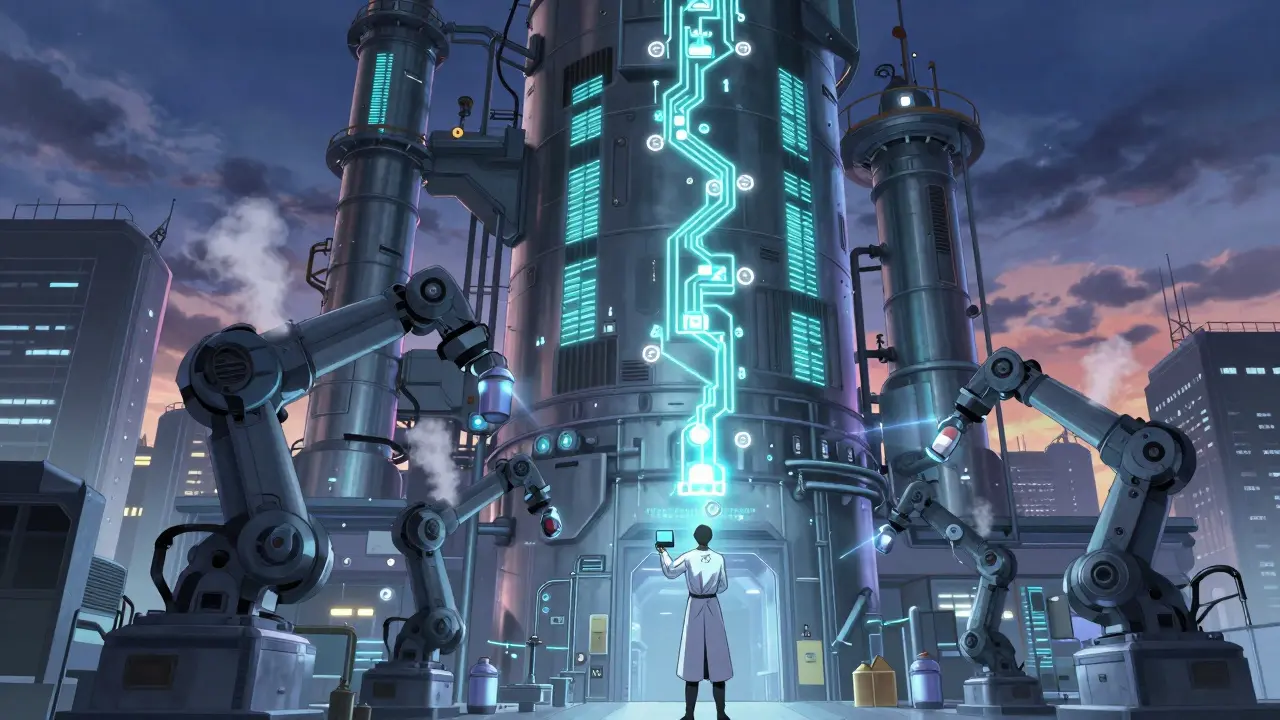
Every pill you swallow should be traceable. If it’s not, you could be taking something dangerous - fake, contaminated, or expired. In 2025, the World Health Organization estimated that 1 in 10 medicines in low- and middle-income countries are counterfeit. In wealthier nations, the problem is quieter but just as real. Fake insulin, stolen cancer drugs, and repackaged antibiotics are showing up in supply chains that were supposed to be secure. The fix isn’t high-tech spy gear. It’s simple: lot numbers and serial codes.
What’s the difference between a lot number and a serial code?
Think of a lot number like a family name. It identifies a group of items made together - same batch, same day, same machine. If you produced 5,000 bottles of blood pressure medicine on March 3, 2025, at 2 p.m. shift in Plant 4, they’d all share the same lot number: BP250303-02-P4. That’s it. One code for thousands of units.
A serial code is like a fingerprint. It’s unique to one single item. Every bottle of that same medicine might have a different serial number: BP250303-02-P4-0001, BP250303-02-P4-0002, and so on. Serial codes track individual units. Lot numbers track groups.
Why does this matter? Because when something goes wrong - say, a batch of pills is contaminated with a toxic chemical - you don’t need to pull every pill ever made. You just pull the one lot. That saves lives, money, and trust. The FDA says targeted recalls using lot numbers cut waste by 63% compared to full product recalls. That’s not just efficiency. It’s survival.
How track-and-trace stops fake drugs before they reach you
Counterfeiters don’t break into pharmacies. They break into supply chains. They buy real packaging, mix in fake pills, and ship them as legitimate goods. One 2023 case in the UK involved fake Viagra being sold as genuine - the packaging was perfect, the logo exact. But the lot number didn’t match the manufacturer’s database. A pharmacist scanned it. The system flagged it. The pills were stopped before they reached a single customer.
That’s how track-and-trace works. Every time a product moves - from raw ingredient to warehouse to distributor to pharmacy - its lot or serial number is scanned and logged. Digital records build a timeline. If a drug turns up with a fake lot number, or no number at all, it’s flagged immediately. If a serial code is duplicated, it’s a red flag - real codes are never reused.
The U.S. Drug Supply Chain Security Act (DSCSA), fully enforced since 2023, requires every prescription drug package to have a unique serial number. In the EU, the Falsified Medicines Directive has done the same since 2019. These aren’t suggestions. They’re laws. And they’re working. A 2024 report from the European Medicines Agency showed a 41% drop in confirmed counterfeit drug incidents in the first two years after full serialization was rolled out.
Why lot tracking saves lives in recalls
Imagine a factory’s mixer breaks. It leaves tiny metal fragments in 12,000 bottles of antibiotics. That’s a nightmare. If every bottle had the same lot number, you’d need to recall every single one - even the ones made on different days, in different buildings. That’s expensive. It’s wasteful. And it erodes public trust.
But if the factory tracks by lot, and only the bottles from that one faulty batch carry the bad lot number? You recall 12,000 bottles - not 1.2 million. The FDA found that precise lot tracking cuts recall costs by an average of $2.3 million per incident. In pharmaceuticals, that’s not just a number. It’s the difference between keeping a small company alive or shutting it down.
It’s not just about money. It’s about speed. Before digital tracking, investigating a contamination could take days. Now, with barcode scanners and cloud-based systems, it takes minutes. One UK-based generic drug maker reduced their recall investigation time from 72 hours to 18 minutes. That’s not a win. That’s a lifesaver.
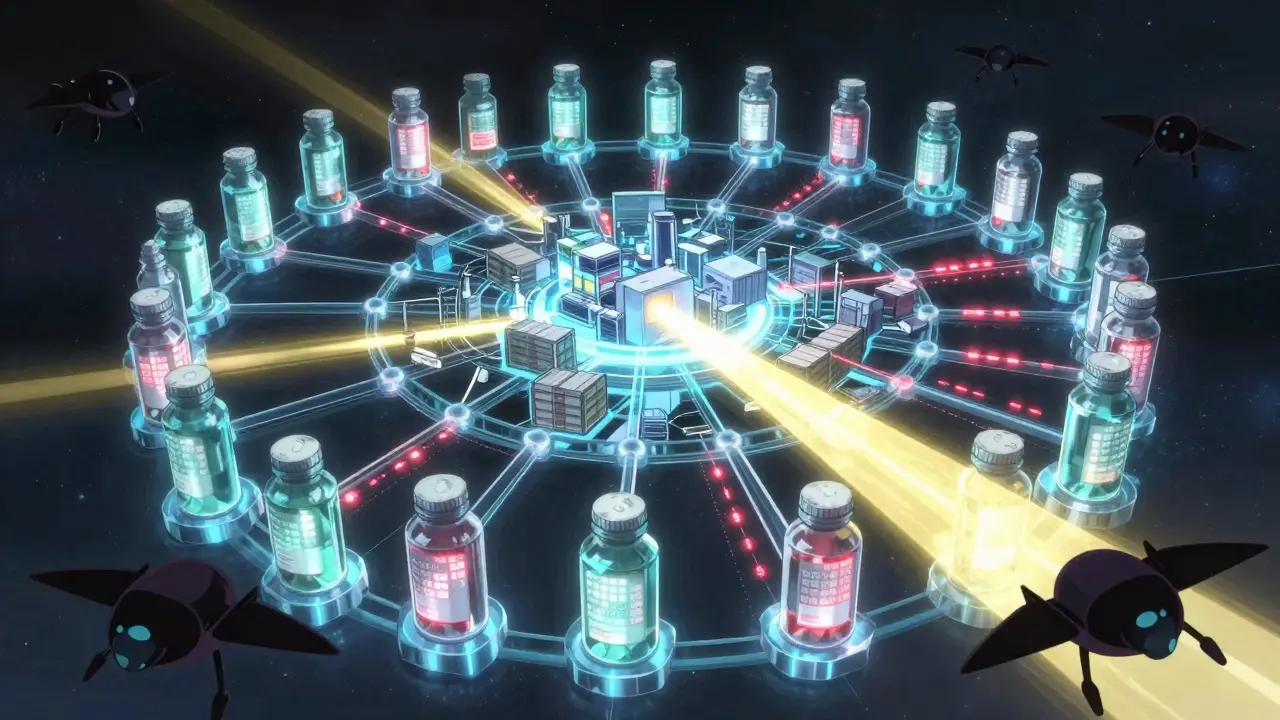
How the system works - step by step
It sounds complex, but it’s built on simple steps:
- Assign the code - At production, each batch gets a lot number. Each unit gets a serial code. Both are printed as barcodes or QR codes on the packaging.
- Scan at every handoff - When the batch leaves the factory, it’s scanned. When it arrives at the distributor, scanned again. When it hits the pharmacy, scanned once more. Each scan updates a secure digital ledger.
- Link to data - The code isn’t just a label. It links to a database: who made it, when, where, which raw materials were used, who tested it, and when it expires.
- Verify at point of sale - Pharmacists scan the code before handing it to you. If the code doesn’t match the manufacturer’s record, the system alerts them. No sale.
Most systems today use mobile scanners or tablet apps. You don’t need a lab. You just need a phone. Even small pharmacies in rural areas can use free or low-cost apps to check codes. That’s how the system scales - from big pharma to local clinics.
What happens when the system fails
It’s not perfect. In 2023, a U.S. medical device company got an FDA warning letter because one department typed in lot numbers manually. Another scanned them. The records didn’t match. They didn’t know which batches were safe. The investigation took weeks. Patients were left without critical equipment.
That’s the biggest weakness: human error. If someone forgets to scan, or types the wrong number, the chain breaks. That’s why the best companies make scanning mandatory. No exceptions. No shortcuts. And they train staff like they’re handling explosives - because, in this case, they are.
Another failure point? Legacy systems. Some small manufacturers still use paper logs. That’s a death sentence in a world where regulators demand digital audit trails. The FDA issued 217% more warning letters for poor traceability between 2018 and 2023. Paper doesn’t cut it anymore.
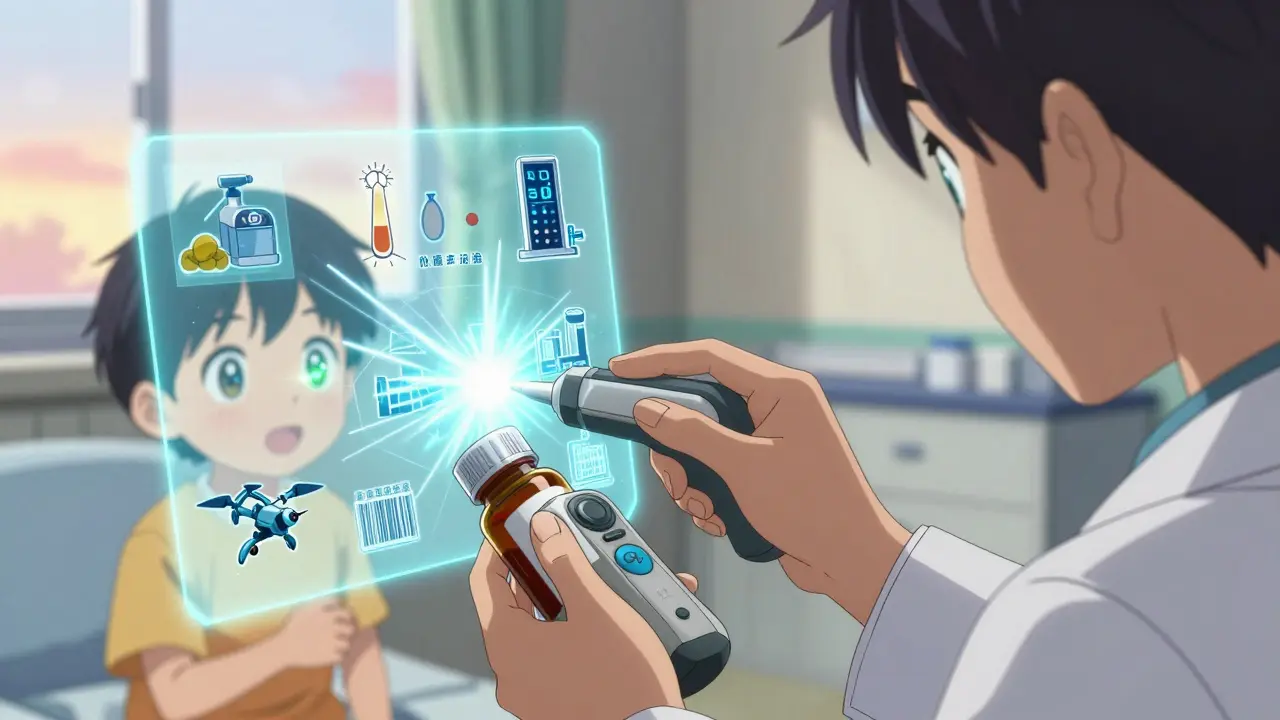
What’s next for track-and-trace
The future is smarter. New systems are starting to link lot and serial codes to IoT sensors. If a shipment of insulin is supposed to stay between 2°C and 8°C, sensors in the box report temperature in real time. If it hits 15°C for 4 hours? The system flags it. The lot is quarantined. No one takes it.
By 2027, the EU’s Digital Product Passport will require every medicine, battery, and electronic device to have a digital twin - a permanent record tied to its serial code. That means you’ll be able to scan a pill bottle and see its entire history: where the active ingredient came from, who tested it, how long it’s been in transit, even who packed it.
AI is coming too. Systems will soon predict which batches are likely to fail - based on temperature spikes, supplier history, or even weather data during transport. That’s not science fiction. It’s already in pilot programs at Pfizer and Novartis.
You’re part of the chain
You might think this is all behind the scenes. But it’s not. When you pick up a prescription, you’re part of the system. Ask your pharmacist to scan the code. If they don’t have a scanner, ask why. If they hesitate, that’s a red flag.
Counterfeit drugs don’t disappear because of laws. They disappear because people care enough to check. Lot numbers and serial codes aren’t just compliance tools. They’re your shield. And they only work if everyone - from the factory floor to your local pharmacy - uses them right.
The next time you get medicine, look at the box. Find the barcode. Ask for it to be scanned. You’re not being paranoid. You’re being smart.


Robert Way
January 14, 2026 AT 16:57so i just scanned my blood pressure med and it said "lot not found" but my pharmacist said its fine?? like wtf am i supposed to trust here
Allison Deming
January 15, 2026 AT 22:50It is both profoundly disturbing and deeply reassuring to witness the extent to which regulatory frameworks have evolved to safeguard public health through immutable traceability protocols. The integration of serial numbering into pharmaceutical distribution is not merely a procedural advancement-it is a moral imperative, a non-negotiable bulwark against corporate negligence and criminal malfeasance. To neglect these systems is to endorse a culture of indifference that has already claimed countless lives under the guise of cost-efficiency and bureaucratic convenience.
Susie Deer
January 16, 2026 AT 19:26US laws work. Other countries? Chaos. If you cant scan your pill its your fault for buying foreign crap
TooAfraid ToSay
January 18, 2026 AT 12:39Wait wait wait. You’re telling me the whole world is falling apart because of a barcode? What if the barcode is fake? What if the whole database is hacked? What if the FDA is just another corporate front? I’ve seen documentaries. This is all stage magic. The real drugs are still being smuggled in via drone deliveries to underground clinics in Nebraska. Someone’s lying. And it’s not me.
Dylan Livingston
January 18, 2026 AT 13:15Oh wow. A 41% drop in counterfeits? How charming. Let me guess-this was measured in the same way that ‘vaccine efficacy’ was calculated by people who still think a QR code is a form of spiritual protection. The real issue isn’t fake pills-it’s that we’ve outsourced our medical autonomy to a system that can be hacked, corrupted, or simply… forgotten by a tired pharmacy tech at 3 a.m. who just wants to go home. You think scanning a bottle makes you safe? Honey, you’re just another data point in someone’s dashboard.
Andrew Freeman
January 18, 2026 AT 18:47lot numbers are cool and all but what if the printer jams and the code gets smudged? then what? do they just throw out the whole batch? that seems like a waste
says haze
January 20, 2026 AT 18:27The elegance of this system lies not in its technological sophistication but in its ontological clarity: each pill becomes a node in a distributed ledger of accountability. This is not merely traceability-it is pharmaceutical phenomenology. The serial code transforms the commodity into a historical artifact, embedded with provenance, temporality, and ethical weight. To reject this is to reject the very possibility of trust in late-stage capitalism’s most fragile exchange: the promise of health.
Alvin Bregman
January 21, 2026 AT 14:52i get that this is important but sometimes i just want to take my pill without scanning it like im at the airport. maybe we should let people trust their doctors a little more
Sarah -Jane Vincent
January 21, 2026 AT 23:56They’re not just tracking pills. They’re tracking YOU. That barcode links to your pharmacy record, your insurance, your doctor’s notes. Next thing you know, the government will know which meds you take, when you refill them, even if you skipped a dose. This isn’t safety. It’s surveillance with a pill bottle on it. And the FDA? They’re just the middleman for Big Pharma’s data harvest.
Henry Sy
January 22, 2026 AT 09:23Man, I had a friend who got fake Oxy once. Tasted like burnt plastic and made him hallucinate his cat was singing opera. Now I scan everything. Even my damn ibuprofen. If your meds don’t have a serial code, I’m not taking them. And if your pharmacist looks confused? Walk out. Your life ain’t worth a $2.99 copay.