Waking up with a throbbing headache that makes you want to hide in a dark closet is miserable enough. But what if the pill you take to stop it doesn't work? For millions of people, this is the daily reality of living with migraine, a neurological condition characterized by intense pain, sensitivity to light, and nausea. The old approach was simple: pop an aspirin or ibuprofen and hope for the best. If that failed, you waited it out. Today, we know better. We now understand that migraines involve multiple pathways in the brain-specifically neurogenic inflammation and the trigeminovascular system. This means attacking the pain from just one angle often isn't enough.
This is where combination medications come into play. These are treatments that mix two or more drugs with different mechanisms of action to tackle the migraine from several sides at once. Think of it like trying to put out a fire: spraying water (one drug) might help, but using foam to smother the oxygen (a second drug) puts it out faster and prevents it from flaring back up. The big question on everyone's mind, especially given rising healthcare costs, is whether these powerful combos are worth the price tag-and if so, can you get them cheaply as generics?
Why Two Drugs Work Better Than One
The science behind combination therapy is straightforward but effective. Migraines aren't just headaches; they are complex events involving nerve signals and inflammation. A single medication usually targets only one part of this process. For example, nonsteroidal anti-inflammatory drugs (NSAIDs) reduce inflammation, while triptans constrict blood vessels and block pain signals. When you combine them, you get what experts call "incremental benefits."
According to a comprehensive 2024 review by Dr. Richard B. Lipton published in PMC, combining NSAIDs and triptans provides significantly better outcomes than either drug alone. In studies looking at the popular combo of sumatriptan and naproxen, 48% of patients achieved complete pain relief within two hours. Compare that to 37% for sumatriptan alone and 29% for naproxen alone. That’s a massive difference when you’re in agony. Furthermore, recurrence rates-the chance your headache comes back after the pain stops-drop from 40% with monotherapy to just 22% with combination therapy. This synergy allows doctors to use lower doses of each individual drug, which can help minimize side effects while maximizing relief.
The Gold Standard: Sumatriptan and Naproxen
If there is a king among migraine combinations, it is the pairing of sumatriptan and naproxen. Originally sold under the brand name Treximet, this fixed-dose tablet contains 85 mg of sumatriptan and 500 mg of naproxen sodium. For years, this specific dose of sumatriptan (85 mg) was unique to the brand, making it hard to replicate with generics. However, the patent expired in 2020, changing the game entirely.
Today, you have two main routes for this combination:
- Fixed-Dose Generic Tablets: Since late 2023, generic versions of the 85 mg/500 mg tablet have been widely available. They offer the exact same efficacy as the brand name but at a fraction of the cost.
- Separate Generics: You can buy generic sumatriptan (50 mg or 100 mg) and generic naproxen (500 mg) separately. Studies have confirmed that taking these two separate pills together is clinically noninferior to the combined tablet. This option is often even cheaper and gives you flexibility if you don't need the full 85 mg of sumatriptan.
The effectiveness here is undeniable. A 2017 meta-analysis confirmed that this combo is superior to either component across all efficacy endpoints. It provides partial pain relief in 68% of patients compared to 58% for sumatriptan alone. More importantly, it offers sustained relief. At 24 hours, 35% of patients remained pain-free with the combination, versus only 26% with sumatriptan alone. This long-lasting effect is crucial for preventing the dreaded "rebound" headache.
Over-the-Counter Powerhouses: Acetaminophen, Aspirin, and Caffeine
Not every migraine requires a prescription. For many, the first line of defense is the over-the-counter (OTC) trio of acetaminophen, aspirin, and caffeine. Marketed famously as Excedrin Migraine, this combination has Level A evidence of effectiveness according to the American Academy of Family Physicians (AAFP). Each tablet typically contains 250 mg acetaminophen, 250 mg aspirin, and 65 mg caffeine.
Why does caffeine matter? It’s not just about waking you up. Caffeine enhances the absorption of the other painkillers and has its own analgesic properties by blocking adenosine receptors. The AAFP notes that while 500 mg is the standard dose, some patients find 825 mg slightly more effective. This combination achieves pain-free rates of 29% at two hours, which is 17 percentage points better than placebo. It is particularly useful for mild to moderate migraines or for those who cannot tolerate triptans due to cardiovascular risks.
The beauty of this option is accessibility and cost. Generic acetaminophen/aspirin/caffeine tablets cost roughly $0.50 to $1.00 per dose, compared to $5-$7 for branded versions. For frequent sufferers, this adds up to significant savings without sacrificing much in terms of efficacy for milder attacks.
| Combination Type | Key Ingredients | Pain-Free Rate (2 hrs) | Best For | Approx. Cost (Generic) |
|---|---|---|---|---|
| Sumatriptan/Naproxen | 85mg Sumatriptan + 500mg Naproxen | 48% | Moderate to Severe Migraines | $15 - $25 per dose |
| Acetaminophen/Aspirin/Caffeine | 250mg each + 65mg Caffeine | 29% | Mild to Moderate Migraines | $0.50 - $1.00 per dose |
| Rizatriptan/Naproxen | 10mg Rizatriptan + 500mg Naproxen | Equivalent to Sumatriptan Combo | Patients failing Sumatriptan | Varies (Separate Generics) |
Emergency Room Cocktails: When Home Remedies Fail
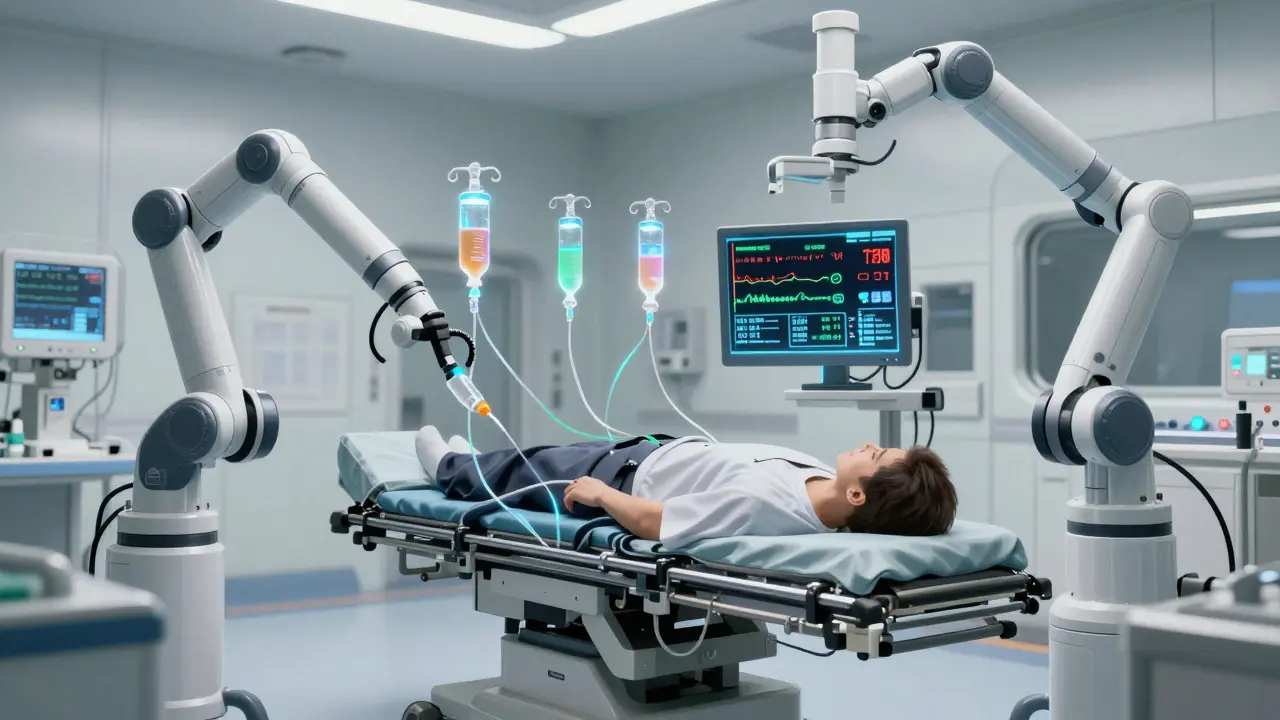
Sometimes, home treatment isn't enough. If you end up in the emergency department (ED), you’ll likely encounter a "migraine cocktail." These are intravenous (IV) combinations designed for rapid, potent relief. A typical protocol includes ketorolac (30 mg), metoclopramide (10 mg), magnesium sulfate (1-2 g), sodium valproate (500-1000 mg), and dexamethasone (10 mg). These are administered sequentially with specific time intervals.
These cocktails are aggressive because the situation is severe. Ketorolac is a strong NSAID, metoclopramide helps with nausea and speeds up gut emptying (helping oral meds work later), magnesium relaxes blood vessels, and dexamethasone reduces inflammation and prevents recurrence. About 68% of ED migraine treatments use some form of combination therapy. While highly effective, these are reserved for intractable cases due to the risk of side effects and the need for medical monitoring.
Navigating Costs and Generic Availability
One of the biggest barriers to effective migraine care is cost. Brand-name combination drugs like Treximet used to cost between $350 and $450 per dose. That is prohibitive for most people. The shift to generics has democratized access. As of 2024, generic options capture 82% of the market share for acute migraine prescriptions in the US. Generic sumatriptan/naproxen now costs approximately $15-$25 per dose. Some insurance plans may cover it even less.
However, be cautious with "alternative" combinations. Not all mixes work. For instance, recent studies found that combining topiramate with propranolol for *prevention* was no more effective than placebo. This highlights a critical point: combination therapy works best for *acute* treatment (stopping an attack) rather than prevention, unless specifically prescribed by a specialist. Always check with your pharmacist about interactions. Naproxen can be hard on the kidneys, and triptans are risky if you have uncontrolled hypertension.
Avoiding the Trap: Medication Overuse Headache
There is a catch to having such effective tools. If you use combination medications too frequently, you risk developing Medication Overuse Headache (MOH). This is a vicious cycle where the cure becomes the cause. The risk jumps to 70% if you take more than 10 combination doses per month, compared to 30% with monotherapy. Symptoms include daily headaches that worsen over time and become resistant to treatment.
To avoid this, keep a headache diary. Track how many days you take acute medication. If you exceed 10 days a month, talk to your doctor about preventive strategies. Also, avoid butalbital-containing combinations (like Fiorinal) unless absolutely necessary, as they carry a high risk of dependence and MOH. Limit these to fewer than 10 days per month.
Finding the Right Fit for Your Migraine
Choosing the right combination depends on your migraine severity and history. Here is a practical guide:
- Mild Migraines (MIDAS score 1-5): Start with OTC acetaminophen/aspirin/caffeine. It’s cheap, accessible, and effective for many.
- Moderate to Severe Migraines (MIDAS 6-10): Move to prescription combinations. Generic sumatriptan (50mg) plus naproxen (500mg) taken together is a gold-standard, cost-effective approach. If you prefer convenience, ask for the fixed-dose generic tablet.
- Intractable/Severe Cases (MIDAS >10): If home meds fail, seek emergency care. IV cocktails provide the fastest relief and break the cycle of severe pain.
Don’t forget about newer alternatives. Recent 2024 studies show that combining generic rizatriptan with naproxen is equally effective as sumatriptan/naproxen for patients who didn’t respond well to sumatriptan. Triptans vary in how quickly they work and their half-life. Eletriptan, for example, shows high effectiveness (OR 6.1 vs ibuprofen), though it is often used as a monotherapy. Discussing these nuances with your provider can help fine-tune your regimen.
Is generic sumatriptan/naproxen as effective as the brand name Treximet?
Yes. Since the patent expiration in 2020, generic versions containing identical dosages (85 mg sumatriptan and 500 mg naproxen) have been approved by the FDA. Clinical data confirms they are bioequivalent, meaning they work just as fast and effectively as the brand name but at a significantly lower cost.
Can I take generic sumatriptan and generic naproxen separately instead of a combined pill?
Absolutely. Studies have shown that taking generic sumatriptan (50 mg or 100 mg) along with generic naproxen (500 mg) is clinically noninferior to the fixed-dose combination tablet. This method is often cheaper and allows you to adjust the dosage of each component based on your specific needs.
What is the risk of medication overuse headache with combination therapies?
The risk is higher with combination therapies than with single drugs. Using combination medications more than 10 days per month increases the risk of Medication Overuse Headache (MOH) to 70%. To prevent this, limit acute medication use and consult a doctor if you find yourself needing relief frequently.
Are there any new migraine combination drugs coming out soon?
Yes. Axsome Therapeutics is testing AXS-07, a combination of meloxicam and rizatriptan. Preliminary Phase 3 trial results expected in early 2025 suggest it may offer even higher pain-free rates (52% at 2 hours) compared to current standards. Additionally, generic approvals continue to expand access to existing effective combos.
Why does caffeine help in migraine medications like Excedrin?
Caffeine serves two purposes. First, it acts as an adenosine receptor antagonist, which has independent pain-relieving properties. Second, and perhaps more importantly, it enhances the absorption of the other active ingredients (acetaminophen and aspirin) in the gut, allowing them to start working faster and more effectively.