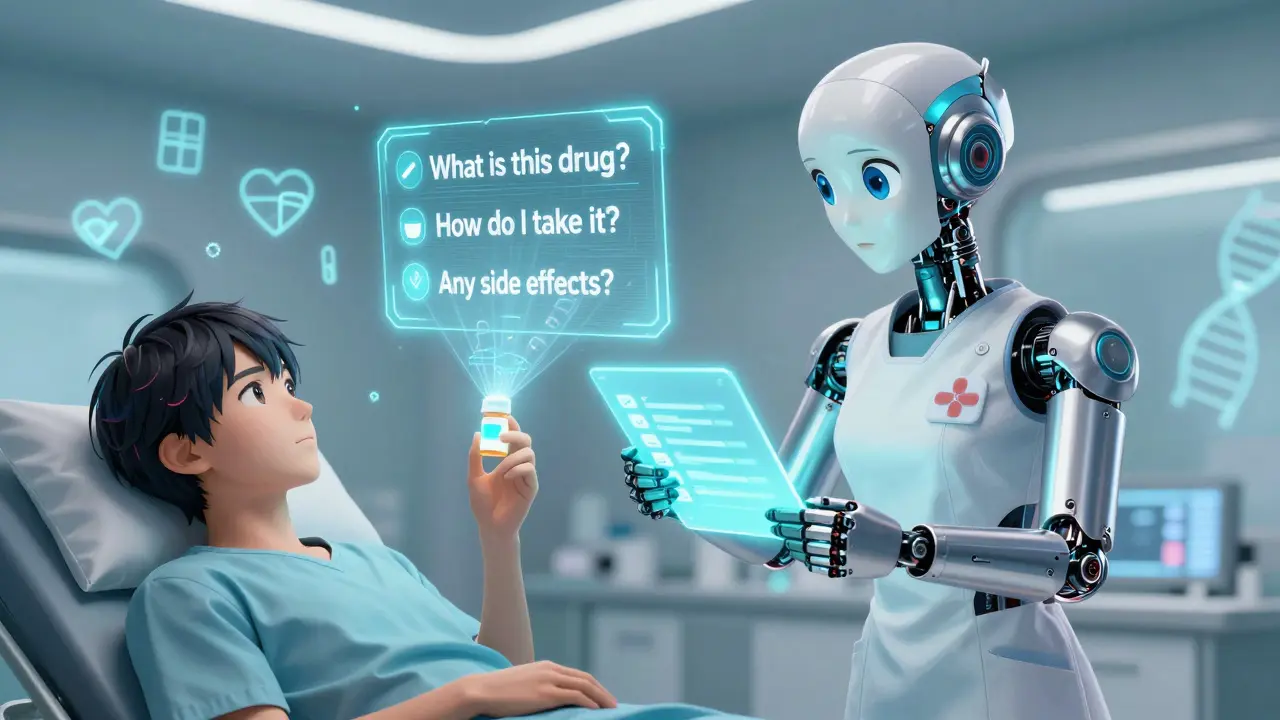
Starting a new medication can feel overwhelming. You might be anxious about how it will affect you, worried about side effects, or confused about when to take it. You’re not alone. Nearly half of all patients don’t take their medications as prescribed - and many of those mistakes happen because they didn’t ask the right questions in the first place. The good news? A few simple, well-timed questions can cut your risk of serious side effects, prevent dangerous drug interactions, and help you stick with your treatment. You don’t need to be a medical expert. You just need to know what to ask.
What is this medication, and why am I taking it?
- What’s the exact name of this drug - both brand and generic?
- What condition is it meant to treat?
- How will I know it’s working?
How and when should I take this?
- Should I take it with food, on an empty stomach, or at a specific time of day?
- What’s the correct dose - in milligrams?
- How long should I take it?
What side effects should I expect?
- Which side effects are common and normal?
- Which ones mean I should call you right away?
- How long will the initial side effects last?
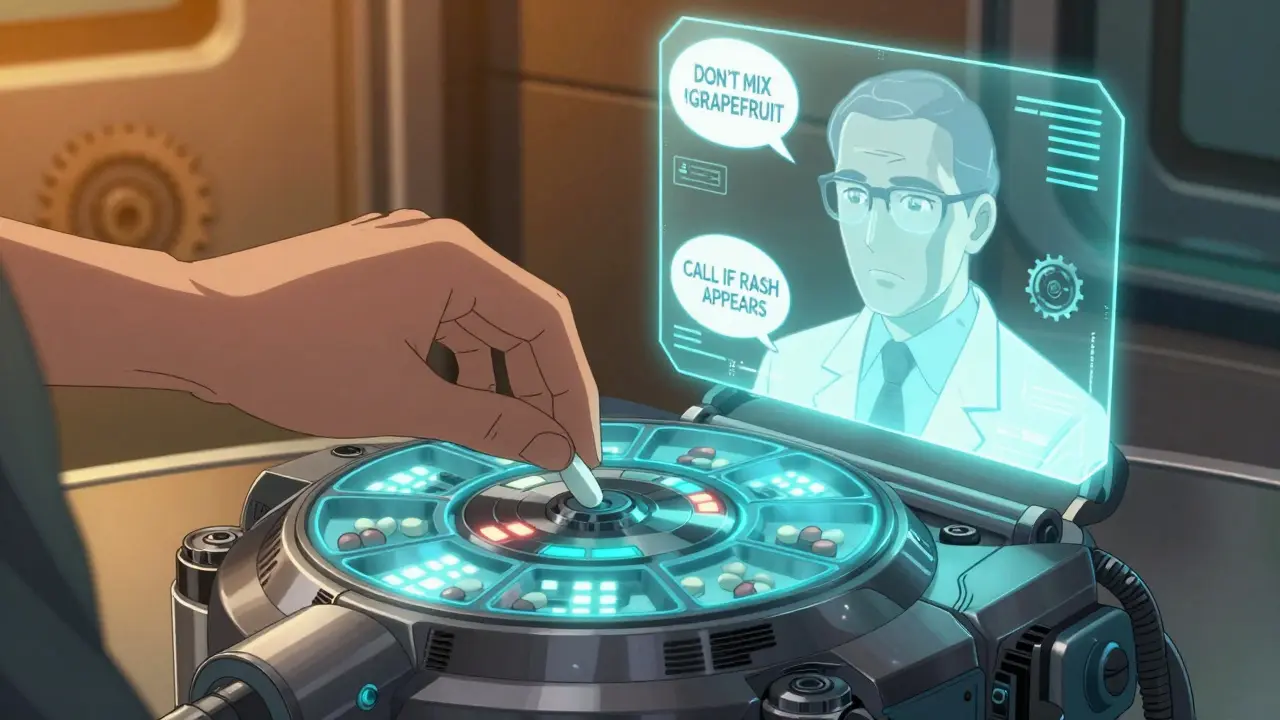
Will this interact with anything else I’m taking?
- Does this interact with my current prescriptions?
- What about supplements, vitamins, or herbal remedies?
- Are there foods, alcohol, or activities I need to avoid?
Are there other options?
- Why this drug instead of another?
- Is there a cheaper or simpler alternative?
- Has my genetic profile been considered?
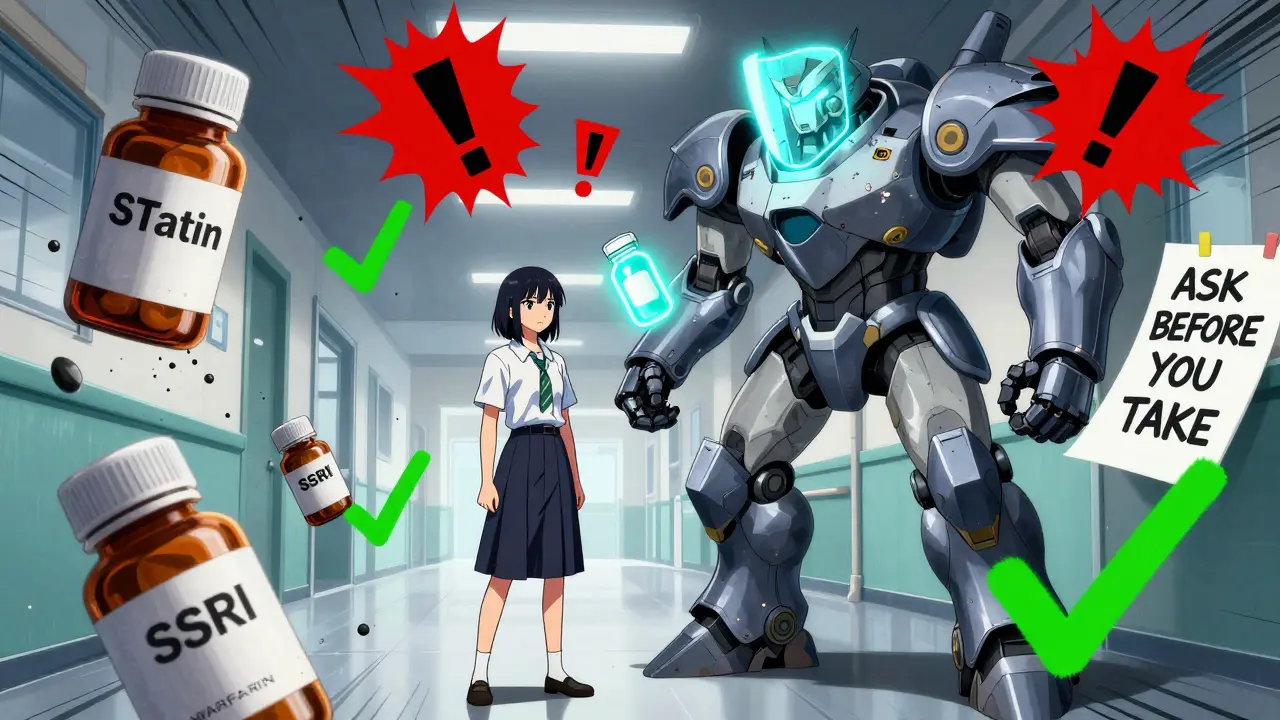
What happens if this doesn’t work?
- When will we check if it’s working?
- What’s the next step if it doesn’t help?
- Will I need blood tests or other monitoring?
How do I stay on track?
- Can I get a written summary of this plan?
- Should I use a pill organizer or app?
- Who can I call if I have questions later?
What if I’m nervous or overwhelmed?
You’re allowed to feel unsure. You’re allowed to say: “I need a minute to think about this.” You’re allowed to ask for time before deciding. Many patients feel pressured to say yes right away. But starting a new drug is a big decision. If you’re anxious, say: “Can I take this home and think about it? I’d like to come back or call you tomorrow with more questions.” Most doctors will respect that.Starting a new medication shouldn’t feel like a gamble. You have the right to understand what you’re taking, why, and how it affects you. These questions aren’t just helpful - they’re essential. They’re the difference between managing your health and being controlled by it.
What if my doctor gets annoyed when I ask too many questions?
A good doctor welcomes questions - they’re part of safe care. But if you feel rushed or dismissed, it’s not about you. It’s about their time. Try saying: “I really want to get this right. Can we go over just the top three things I need to know?” If they still seem impatient, consider asking for a pharmacist consult or scheduling a follow-up visit. Your safety matters more than their schedule.
Can I bring a friend or family member to help me ask questions?
Absolutely. Many patients bring someone to take notes, ask things they forgot, or help process the information. Just let the doctor know ahead of time: “I’d like my partner to join us - they help me manage my health.” Most clinics are happy to accommodate. It’s not rude - it’s smart.
What if I can’t afford this medication?
Cost is a real barrier - and you should never feel ashamed to ask. Say: “This prescription is too expensive for me. Are there cheaper alternatives? Is there a generic? Can you help me find a patient assistance program?” Many drugmakers offer free or low-cost programs for those who qualify. Pharmacies often have discount cards. Never skip doses because of cost - talk to your doctor first.
Should I ask about long-term risks?
Yes - especially for medications you might take for years, like blood pressure pills, antidepressants, or pain relievers. Ask: “Are there any known long-term side effects? Has this been studied over 5 or 10 years?” Some drugs are safe for decades. Others carry risks that show up after years of use. Knowing helps you weigh the benefits.
What if I miss a dose?
Ask this before you leave the office. For some drugs, missing one dose doesn’t matter. For others - like birth control or antibiotics - it can be risky. Get clear instructions: “If I miss a pill, should I take it as soon as I remember? Skip it? Double up?” Write it down. Don’t guess.



Alex Smith
January 11, 2026 AT 15:57So let me get this straight - we’re now treating patients like they’re supposed to memorize a pharmaceutical textbook before they can take a pill? I get it, knowledge is power, but also… my doctor spends 7 minutes with me and then hands me a script like it’s a lottery ticket. If I’m supposed to ask all these questions, maybe we should just hire a pharmacist to sit in the exam room. Or better yet - train doctors to talk like humans instead of walking formularies.
Christian Basel
January 12, 2026 AT 00:49The cognitive load associated with polypharmacological regimens is non-trivial, particularly in the context of pharmacokinetic variability and potential drug-drug interactions. The absence of standardized patient education protocols exacerbates non-adherence trajectories. One must question whether the current model of physician-patient communication is optimized for therapeutic efficacy or merely administrative compliance.
Sam Davies
January 12, 2026 AT 22:51Oh absolutely, let’s turn every GP visit into a TED Talk on pharmacology. Because nothing says ‘quality care’ like a 45-minute interrogation about whether your antidepressant might interact with your chamomile tea. I mean, sure, I’m glad we’re finally acknowledging that patients aren’t idiots - but also, can we just… not make every pill a life-or-death negotiation? I just wanted to feel less anxious, not write a thesis on serotonin syndrome.
Jason Shriner
January 12, 2026 AT 22:54we’re all just… floating in this sea of chemicals, right? like, who even decided that my body should be a lab for Big Pharma’s next quarterly report? i mean, i take this pill because i was told to, but sometimes i wonder if i’m healing… or just slowly becoming a different person. like, is this me? or is this the sertraline? the pills are writing my thoughts now. i don’t even know anymore.
Sean Feng
January 13, 2026 AT 02:31Doctors don't care. They're rushed. You ask too many questions they'll skip you next time. Just take the pill. If you feel weird stop. That's it. No need to overthink. You're not a scientist. You're a patient. Stop making it harder.
Adewumi Gbotemi
January 13, 2026 AT 21:13This is good. I like that you remind people to ask about cost. In my country, many people skip medicine because they can’t pay. Even simple questions like ‘is there a cheaper one?’ can save lives. Doctors should not be surprised when people ask this. It’s not rude. It’s survival.
Jennifer Littler
January 13, 2026 AT 23:40As a clinical pharmacist, I can confirm that 87% of medication errors stem from patient misinterpretation of dosing instructions - not from prescriber error. The real issue is systemic: patients leave with no written summary, no follow-up plan, and zero access to pharmacist counseling. This post nails the questions, but the system still fails. We need mandatory post-prescription counseling - not optional.
Alfred Schmidt
January 14, 2026 AT 12:49WHAT IF YOU’RE TOO SCARED TO ASK?! WHAT IF YOUR DOCTOR IS A COLD, DISMISSIVE ASSHOLE WHO JUST WANTS TO GET OUT THE DOOR?! WHAT IF YOU’RE ON 7 MEDS AND YOUR BRAIN IS MELTING?! YOU DON’T JUST ‘ASK QUESTIONS’ - YOU NEED A FREAKING ADVOCATE, A NURSE, A FRIEND, A ROBOT, SOMETHING!! THIS POST IS SO SMOOTH AND POLITE IT’S LIKE A SPONSORED AD FOR MEDICAL APATHY!!
Priscilla Kraft
January 14, 2026 AT 17:14This is exactly what I wish every doctor would hand out as a checklist 🙏 I printed this and took it to my last appointment - my doctor actually paused and said, ‘Wow, you’re the first patient who came prepared like this.’ I cried a little. Not because I’m emotional (okay maybe a little) but because it shouldn’t be this hard to get basic care. If you’re on meds, save this. Share it. Print it. Tape it to your fridge. You deserve to understand what’s in your body. 💊❤️